Dünya Gazetesi
A Sensory and Conceptual Exploration of Art
Inspired by one of nature’s tiniest yet most organised beings, artist Ahmet Yiğider invites the audience into an immersive experience where scent and space dissolve boundaries in his exhibition, Ant Nest.
Günay DEMİRBAĞ
Sculptor Ahmet Yiğider, in his exhibition Ant Nest, embarks on a sensory and spatial journey, drawing inspiration from ants—creatures belonging to one of nature’s most meticulously organised societies. Through a voyage that stretches from ants’ chemical communication to human perception, Yiğider explores the role of scent in art and unveils intersections between his artistic practice and science.
Your exhibition is titled Ant Nest. What aspects of the ant world captivated you?
Ants are inherently eusocial beings, displaying an exceptional degree of social organisation. Alongside bees and termites, certain species of ants epitomise this category. While humans are renowned for their advanced individual consciousness, ants leave us behind in the realm of social organisation, thanks to their complex division of labour and collective decision-making mechanisms. Within ant colonies, communal interests overshadow individual desires.
Intriguingly, ants rely almost entirely on chemical signals—pheromones—to facilitate all vital communication through their sense of smell. They trust this invisible network of signals to navigate their world.
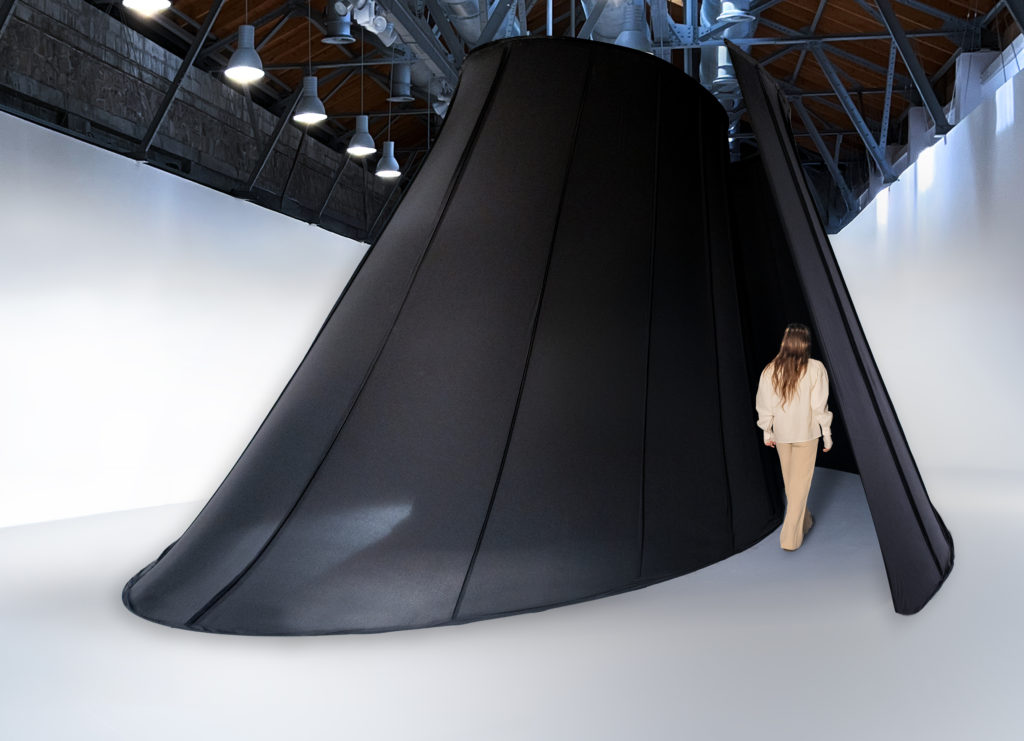
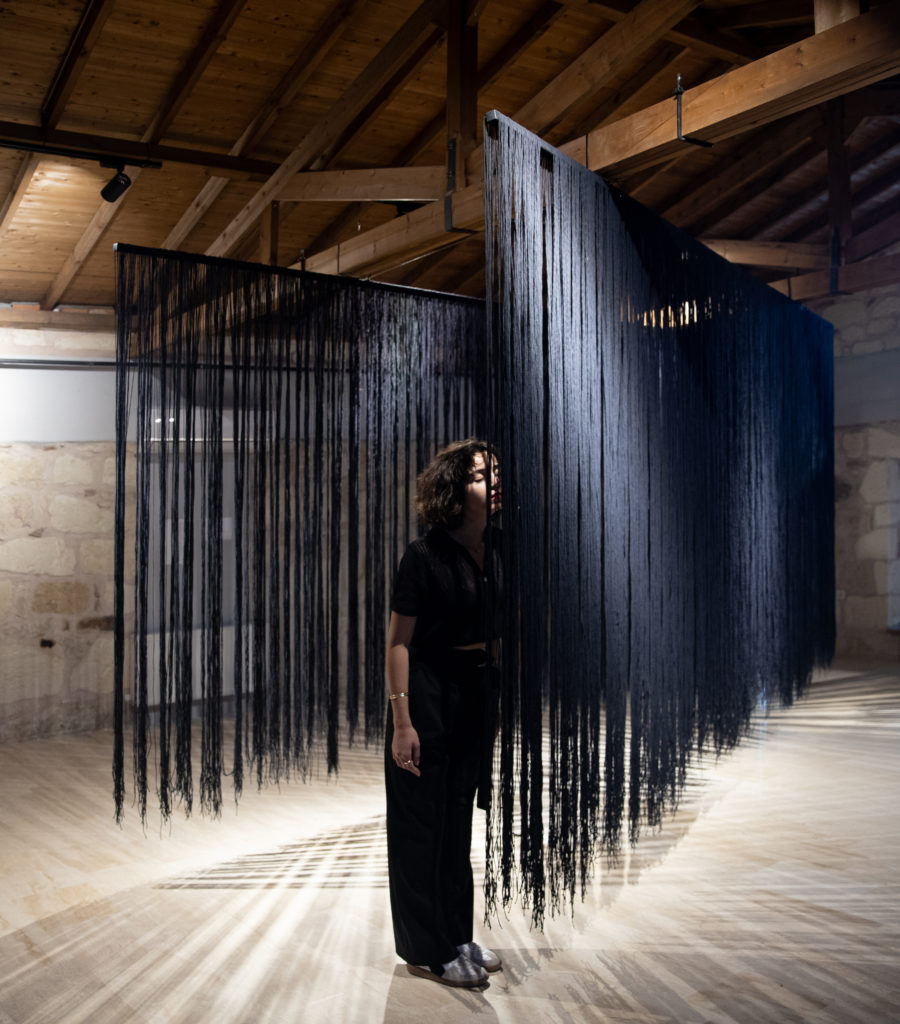
In Ant Nest, as visitors pass through a sculptural form crafted from fabric and metal, they lose their bearings—axis and orientation dissolve into the spatial fog. At the same time, the provocative and unconventional power of scent, coupled with an audio installation intertwined with smell, provides the viewer with a felt sense of centre—a grounding point amid disorientation.
What role does scent play in our lives, and how do you think it has shaped societies?
For various species—especially insects, mammals, and some reptiles—scent is integral to vital life functions, particularly communication. Whether locating food, identifying kin, allies, or threats from afar, or selecting the right mate, scent is central. In humans, the dominant reliance on cognitive and verbal communication has, according to prevailing opinion, reduced our dependence on the sense of smell.
Modern humans may now perceive scent less as a survival function and more as a source of pleasure. Compared to other mammals, we may not rely on it as heavily for mate selection or primary safety cues. Yet consciously or not, scent profoundly shapes our perception of the outside world.
As creatures driven by taste and pleasure, we also rely on our olfactory systems to distinguish the character and aroma of everything we consume.
Understanding the relationship between ants and scent through a human lens reveals that, for ants, smell functions as a language—a form of communication. This project seeks to offer a direct encounter with the way another species uses scent and to render it accessible to human exploration.
What scientific methods did you employ during the creation of this exhibition?
Through observation, experimentation, and sensory analysis in both my laboratory and studio, I investigated the chemical trails ants leave when subjected to stress along controlled paths. Though barely perceptible, these traces allowed for sensory interpretation.
I analysed the secretions emitted by ants as they moved through olfactory-neutral spaces—glass tubes—studying them on both sensory and molecular levels.
In your work Fig, Human, Earth shown at the 9th Çanakkale Biennial, you focused on the scent of “human”. What parallels do you see between that piece and Ant Nest?
The work I created for the 2024 Çanakkale Biennial aimed to manifest the transitions and interrelations between three elements—fig, human, and earth—as both a conceptual and olfactory experience. Thus, fig scent, human scent, and the scent of soil became central motifs.
In the human scent piece you mentioned, I used musky molecules as stylised representations of body odour across mammalian species. Alongside this, to closely analyse the purest human scent, I conducted a series of studies with infants. I placed specially designed textiles on the necks of babies during sleep, particularly in the 4th and 5th months when breastfeeding is still dominant. These textiles were later analysed using GC-MS (Gas Chromatography–Mass Spectrometry), enabling me to identify many of the core aldehydes and molecules that form the distinct “baby smell.”
What aspects of your artistic practice does your book Sensuality in Sculpture and Ant Nest highlight?
Published in tandem with the exhibition, the book consists of five chapters penned by four writers:
- Alistair Hicks situates my exhibition within the broader art historical landscape and analyses it alongside interdisciplinary works from across the globe.
- Vedat Ozan, a scent and sensory expert, addresses both the technical aspects of my conceptual and sensory work and examines the historical relationship between olfaction and art.
- Emre Zeytinoğlu delves deeply into the connection between scent and memory. Drawing on thinkers such as Svetlana Boym, David Eagleman, Patrick Süskind, Proust, and Jonah Lehrer, he titles his contribution A Complex Neural Organisation. He examines not only my conceptual work but also the sculptural dimension, framing my art as a process that carries the viewer into a unity with nature and all living things.
- Dilek Karaaziz Şener, curator of Ant Nest, explores the conceptual and sensory elements of the exhibition from an art historical perspective, addressing my sculptural practice through the lens of “sensuality”.
Is there a particular reason why we often see wood in your sculptures?
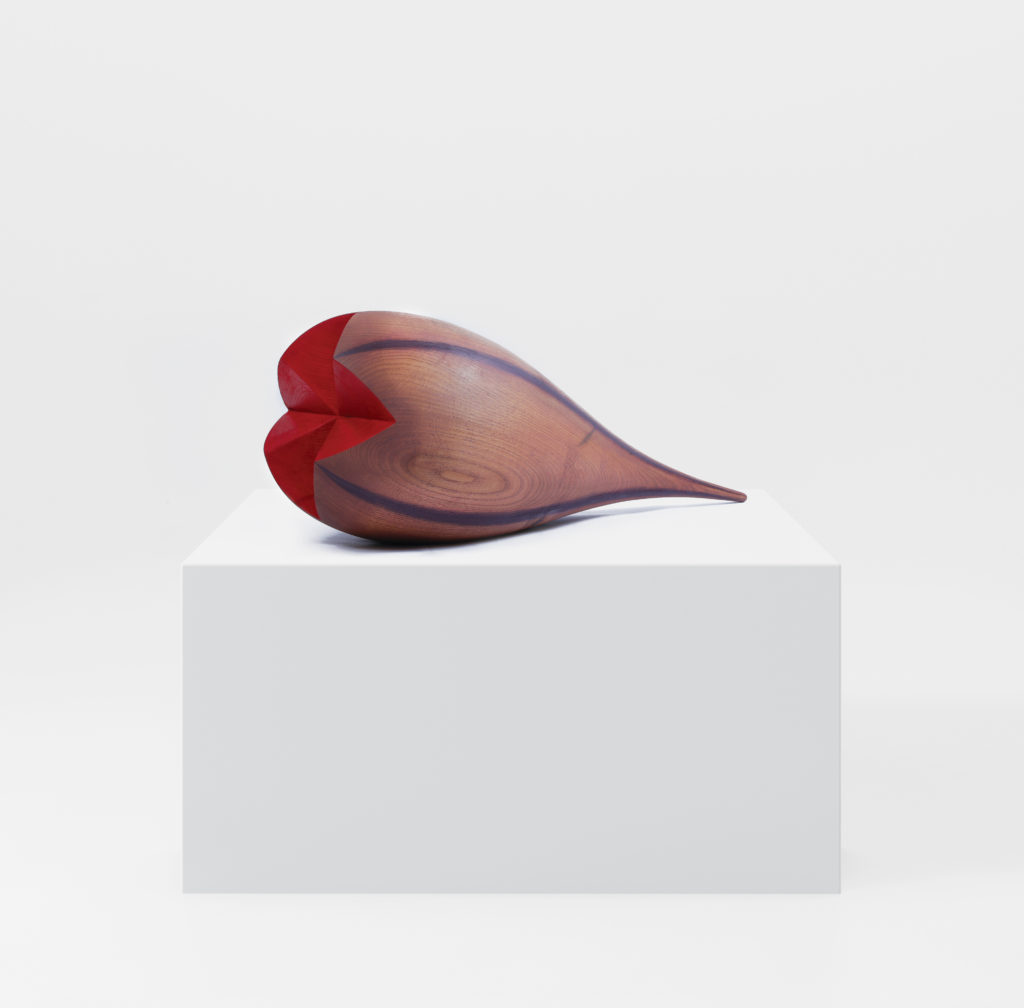
I see materials, media, and technique as tools in the service of artistic thought. While focusing on certain materials allows for technical refinement and mastery, I intentionally avoid forming exclusive bonds with any one medium in my practice.
Indeed, my sculptures incorporate a variety of materials—wood, metal, and stone among them. Ant Nest, crafted from fabric, is a good example. I doubt I could have achieved a surface area exceeding 500 square metres and brought that form to life using another material.
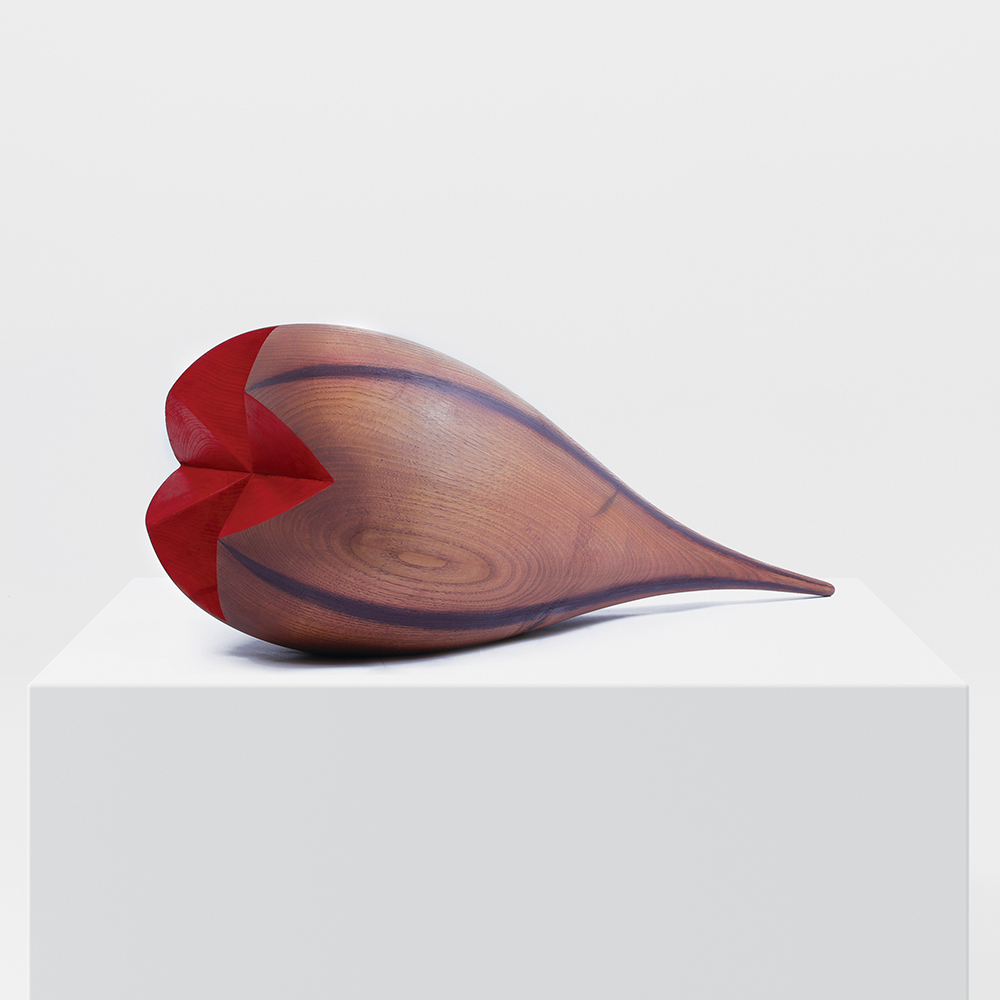
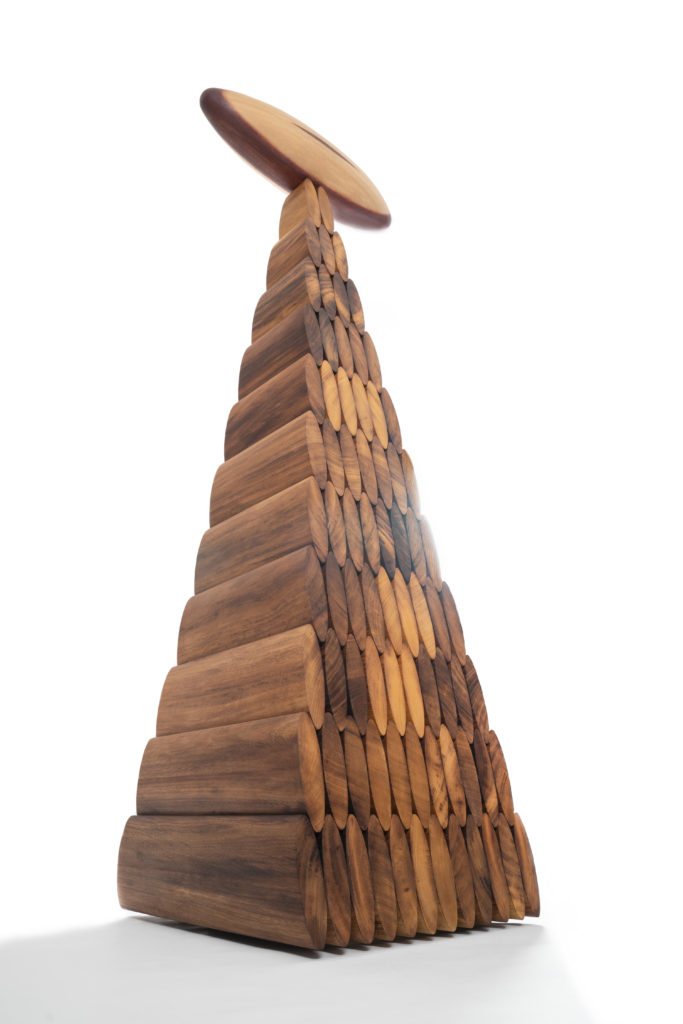
That said, when I look back at the past decade of my sculptural work, wood does stand out prominently. Perhaps it’s because no matter how much one refines it, wood retains traces of nature’s vitality. Among durable materials, it may also be the most sensually expressive.
Click to view the news link.
Dünya Gazetesi