Cumhuriyet
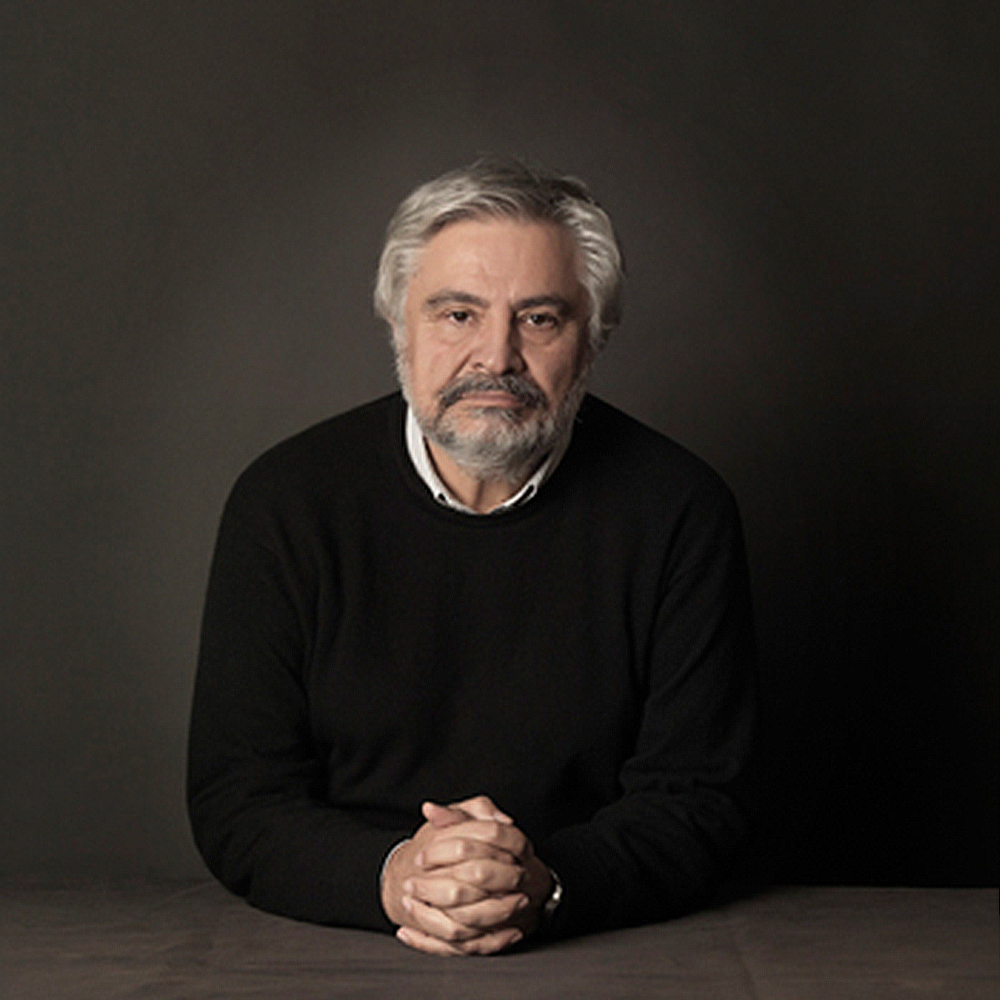
“Substance” Exhibition Bringing Together Works by Ali Artun and Ahmet Yiğider at Galata Rum School: What Is the Substance of Architecture, the Essence of Form?
The exhibition “Substance”, which brings together the works of art historian and architect Ali Artun and Ahmet Yiğider—known for his sculptures and conceptual works—explores the poetic and imagination-driven nature of architecture beyond its functional and rational boundaries. On view at the Galata Rum School until February 8, the exhibition presents an inquiry into the substance of architecture, the essence of form, and humanity’s ancient memory.
We spoke with Artun and Yiğider about the exhibition.
The exhibition “Substance”, which brings together the works of art historian and architect Ali Artun and Ahmet Yiğider—known for his sculptures and conceptual works—explores the poetic and imagination-driven nature of architecture beyond its functional and rational boundaries. On view at the Galata Rum School until February 8, the exhibition presents an inquiry into the substance of architecture, the essence of form, and humanity’s ancient memory.
We spoke with Artun and Yiğider about the exhibition.
– How do you define architecture? How is architectural formation reflected in your works?
Ali Artun:
“Today, architecture is functional, rational, positivist, and scientific. Yet it was not always so. The substance—the very essence—of architecture is not reason, but imagination. It is therefore a deeply magical, poetic, artistic, and mythological practice. This was the case until the Renaissance. Afterward, with the dominance of rational and functional architecture, this condition changed.
Still, explorations into the essence of architecture—what we might also call projects—have continued up to the present. Especially in the 20th century, movements we may describe as avant-garde architecture emerged in opposition to architectural rationality. The works in this exhibition belong precisely to that tradition—architecture beyond rationalism. This is not widely known. However, during what we call the postmodern period, such architecture became quite influential. For example, the renowned Guggenheim Museum Bilbao is in fact a product of this tradition.”
– Can we then say that “Substance” is entirely an architectural exhibition?
Artun:
“Yes—but it has nothing to do with the architecture of the buildings that surround us. On the contrary, it stands against it. Its aim is not to discipline our space and time, nor to direct or regulate our movements.
The architecture of ‘Substance’ has no purpose, no rationality, no function; the works are not houses or workplaces. They do not consist of spaces designed for use—such as rooms, halls, or offices. Their forms, geometries, languages, ideas, and sensibilities are all different.
The architecture of ‘Substance’ consists of artworks. It is concerned with discovering the roots, the essence, the core—the substance—of architecture. Until the Renaissance, architecture was cosmic, celestial, magical, poetic, mysterious, and profoundly symbolic. It was expressed through signs and codes embedded in forms and numbers, and interpreted through this unique language.
Even today, extensive research and artistic production continue around this understanding of architecture. The avant-garde architecture of the 20th century is entirely nourished by this ‘poetic architecture.’ In fact, the works of architects such as Frank Gehry, Zaha Hadid, Bernard Tschumi, and Daniel Libeskind originate from this tradition, which resists rationality and returns to the essence of architecture. ‘Substance’ serves as a stage for this very tradition.”
Ancient Memory of Humanity…
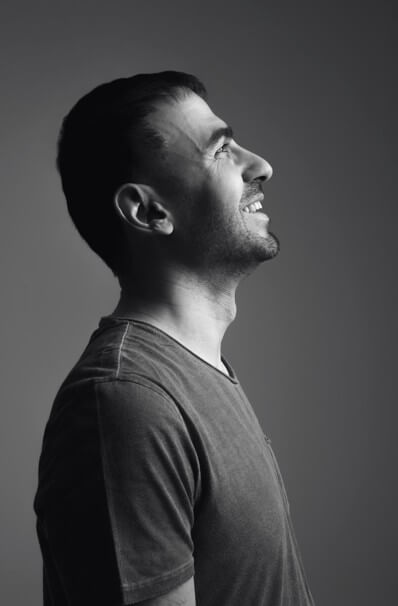
Featuring sculptures produced after 2019 from different periods and series, Ahmet Yiğider turns toward the creative traces embedded in humanity’s ancient memory.
– Why is the exhibition titled “Substance”?
Ahmet Yiğider:
“The word ‘substance’ refers to the essence, the core, the unchanging fundamental nature of something. The title points precisely to this inquiry: What is the substance of architecture? What is the essence of form? Why has humanity, for thousands of years, sought to make sense of existence through symbols and structures?
‘Substance’ approaches architecture as a poetic and magical field of expression, independent of functional necessities. The structures or forms here are not created for ‘use,’ but emerge as spaces of thought and intuition.
For me, substance is also tied to the creative roots carried within humanity’s ancient memory: architectures that have been produced—or never produced—but imagined. ‘Substance’ is a gaze toward this hidden source, this essence.”
– Can you describe the idea and development process of the exhibition?
Yiğider:
“The exhibition ‘Substance’ emerged from the idea that architecture is not merely a functional discipline, but one of the most ancient domains of human imagination. In our collaboration with Ali Artun, we aimed to revisit the poetic and mythological roots of architecture beyond its rational limits.
The exhibition draws from a long-standing inquiry that both of us have engaged with through different paths: the deep correspondences of form, symbols, and abstraction within the human mind. Over time, our works developed like two separate lines of production that gradually converged, meeting within a shared conceptual framework of architectural thought and aesthetics.
The historical atmosphere of the Galata Rum School became one of the most powerful spaces to carry this idea; the exhibition took shape as a field where past and present intertwine.”
The Spirit of the Space…
– Was there a particular reason for choosing the Galata Rum School?
Yiğider:
“The Galata Rum School holds a deep place in Istanbul’s cultural memory; it still carries the layers of the past and the historical and symbolic weight of architecture. I had known this space even before its restoration through various art events, and I always felt a strong affinity for it.
With the restoration, its exhibition امکانات have been further enhanced. Of course, since it was originally designed as a school building, it presents certain challenges in terms of scale—especially for sculpture and installation works. While we encountered some difficulties regarding scale, the process of resolving them brought new and enjoyable experiences, leading to unexpected encounters and possibilities during installation.
At the same time, the spirit of the space is extremely powerful; the building has a very distinctive aesthetic. It became a space that nourished the production process and that we greatly enjoyed, both at the outset and during installation.”
– What are your thoughts on the relationship between conceptual production and the viewer? Could you answer in the context of the “Substance” exhibition?
Yiğider:
“Conceptual production is often seen as something that creates distance from the viewer—more abstract and closed. However, I see the concept not as a framework that excludes the viewer, but as an invitation to a deeper level of perception.
Here, the concept opens a space for thinking and feeling that the viewer can approach through their own intuition. In this exhibition, concepts function not as ‘explanations’ but as ‘fields’—spaces in which the viewer can place their own experiences, associations, and memory.
Because the issue is not merely to see the form, but to feel the historical and ontological resonance that the form evokes. In ‘Substance,’ we attempt to engage with the creative traces within humanity’s ancient memory—a dreamlike architecture. The viewer completes these traces within themselves; the exhibition becomes not a one-way narrative, but a shared process of sensing and thinking.”
TR www.cumhuriyet.com.tr
Cumhuriyet